ICSDWE 2026 invites experts in the field of sustainable development of water and environment attend conference and deliver speech. If you are interested in attending us, please send
your CV with your speech title and abstract to us [email protected].
Keynote Speakers in ICSDWE 2026
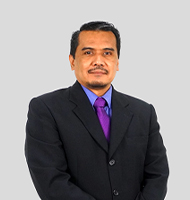
Prof. Ts. Dr. CHM. Ahmad Zuhairi Abdullah
Universiti Sains Malaysia, Engineering Campus, Malaysia
Bio: Professor Dr Ahmad Zuhairi Abdullah received his PhD in in chemical engineering in 2004. He was the Deputy Dean (2010-2018) and Dean (2022-2024) at the School of Chemical Engineering, Universiti Sains Malaysia. He is a registered Professional Technologist at Malaysian Board of Technologists (MBOT), a Fellow Member of Akademi Sains Malaysia and Institut Kimia Malaysia (IKM), and a Life member of the Malaysian Oil Scientists and Technologists’ Association (MOSTA). His research works mostly involve the use of ordered porous catalytic materials in oleochemical reactions, renewable energy, waste treatment, and waste valorization. He has more than 300 refereed publications in journals and book/book chapters, mainly as the main author. He is often invited to share his research experience at various international conferences held in Malaysia, Laos, Indonesia, Vietnam, Thailand, Pakistan, the Philippines, and PR China. In addition, he is an evaluator for research proposals from different ministries/agencies locally as well as from several international scientific bodies in the USA, Oman, Qatar, Kazakhstan, Saudi Arabia and Chile, and and was a visiting professor to Kyoto University, Japan, and Huaqiao University, PR China. He is a sought-after MBOT accreditation auditor and an external examiner or advisor for numerous academic programs across Malaysian universities, and a panel member to several local ministries in various roles. He is also a member of the expert panel of the Department of Environment Malaysia for the evaluation of Environmental Impact Assessment reports for various proposed commercial projects related to petrochemical complexes, paper mills, metal smelting, chemical, lead-acid battery recycling plants, etc. He is one of the recipients of the Top Research Scientists Malaysia (TRSM) award in 2014. His h-index (Scopus) currently stands at 68 with more than 16,000 citations.
Speech Title: Oleochemical waste valorization: Glycerol conversion to value-added chemicals using heterogeneous catalytic processes for sustainable industries
Abstract: Glycerol, a simple polyol and a by-product of oleochemical and biodiesel industries, is now overproduced to the extent of being considered waste, driving prices down and causing disposal issues. This surplus underscores the urgent need for green solutions. Glycerol holds significant potential for conversion into high-value products, offering environmental benefits due to its chemical properties and renewability. Novel catalytic processes can transform glycerol into oxygenated biocomponents, sustainable alternatives to petroleum-derived fuel additives. These additives improve octane ratings and combustion quality while reducing particulate emissions and carbon monoxide production, contributing to cleaner air and reduced fossil fuel dependence. Novel catalytic materials with highly active sites and suitable support characteristics are essential for environmentally sustainable oleochemical conversions. Studies have explored catalytic etherification, acetylation, and acetalation processes to convert glycerol into fuel additives. The success of these green conversions depends on using appropriate catalytic materials with specific properties and optimized conditions. Mesoporosity is crucial as it affects the internal diffusion rate of the high-viscosity liquid reactant and access to active sites, highlighting the importance of catalyst design for environmental efficiency. The catalytic etherification of glycerol to polyglycerols is another promising avenue. Polyglycerols are biodegradable and biocompatible, making them suitable for various industries and reducing environmental impact by offering greener alternatives to synthetic chemicals. Additionally, glycerol can react with fatty acids to form monoglycerides, widely used in the food and pharmaceutical industries, promoting sustainable industrial practices. Producing lactic acid through alkali-catalyzed reactions offers potential as a starting point for a range of future biobased chemicals via catalytic routes, supporting the shift towards a bio-based economy. Furthermore, the catalytic deoxydehydration of glycerol to acrylic acid presents significant opportunities due to the high demand for acrylic acid in manufacturing polymeric products, making them more environmentally friendly. The main challenge is developing stable catalysts with high activity and selectivity for the desired compounds. Current research focuses on novel catalysts to improve conversions and yield the desired products while minimizing environmental impact. A heterogeneous reaction system is critical to enhancing the green aspects of these processes, contributing to sustainability by reducing waste and improving efficiency. Glycerol exemplifies the potential of green technology to create more sustainable oleochemical industries, especially in major vegetable oil-producing countries like Malaysia. The development of novel heterogeneous catalysts with desired characteristics is pivotal to this success, driving a more sustainable and environmentally friendly industrial future.
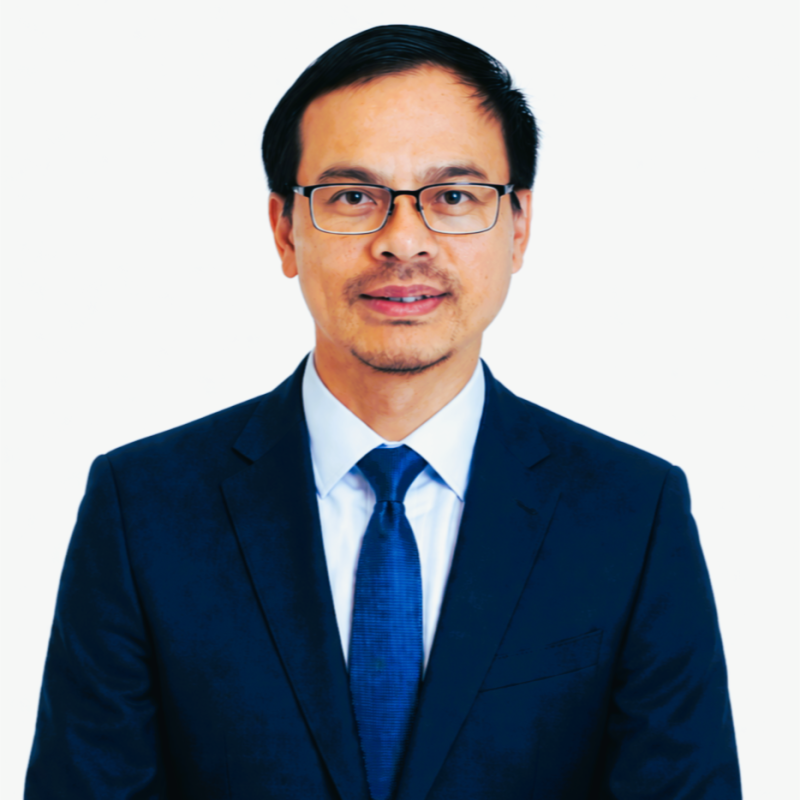
Assoc. Prof. Thanh Thi Nguyen
University of the Sunshine Coast, Australia
Bio: Dr Nguyen is an Associate Professor in ICT and AI at the School of Science, Technology and Engineering, University of the Sunshine Coast, Moreton Bay Campus, Queensland, Australia. Before that, he was an Associate Professor at the Department of Data Science and AI, Faculty of Information Technology, Monash University, Australia. Dr Nguyen was a visiting scholar with the Computer Science Department at Stanford University in 2015 and the John A. Paulson School of Engineering and Applied Sciences at Harvard University in 2019. He received a European-Pacific Partnership for ICT Expert Exchange Program Award from the European Commission in 2018 and an Australia–India Strategic Research Fund Early and Mid-Career Fellowship from the Australian Academy of Science in 2020. He had time working as a GIS Software Engineer at the Institute of GIS and Environment Technology (IGENT), Chuncheon City, Republic of Korea. He was a Visiting Academic at the Centre for GIS, School of Geography and Environmental Science, Monash University, Clayton, Victoria, Australia. Additionally, he was a Lecturer at the Department of Applied Geomatics, Nong Lam University, Ho Chi Minh City, Vietnam.
Dr Nguyen has been a leading researcher in Australia in the field of Artificial Intelligence, recognized by The Australian’s 2018 Research Magazine. He has been ranked among the world’s top 2 percent scientists in the field of Artificial Intelligence and Image Processing by Elsevier B.V. and Stanford University. He serves as an Associate Editor for the Knowledge-Based Systems and Healthcare Analytics journals, published by Elsevier, and the Human-Centric Intelligent Systems journal, published by Springer.
Speech Title: Artificial Intelligence for Water Management, Environmental Conservation, and Sustainable Development
Abstract: Water resources and environmental systems are facing unprecedented challenges from climate change, urbanization, population growth, and increasing resource demands. Artificial Intelligence (AI) offers powerful capabilities to enhance water management, environmental conservation, and sustainable development through improved monitoring, prediction, and decision-making. This keynote speech explores how AI technologies, including machine learning, deep learning, and data-driven analytics, are being applied to hydrological forecasting, water quality assessment, flood and drought management, wastewater treatment optimization, pollution detection, and ecosystem monitoring. The integration of AI with remote sensing, IoT sensors, and environmental data platforms enables more efficient and resilient management of water and environmental resources. The presentation also discusses emerging opportunities, challenges, and future directions for AI-enabled solutions that support environmental protection, resource sustainability, and informed policy development in these areas.
Prof. Marouane Temimi
Stevens Institute of Technology, Hoboken, USA
Bio: Dr. Temimi is a full Professor in the Civil, Environmental, and Ocean Engineering Department at Stevens Institute of Technology, in New Jersey, USA. Dr. Temimi obtained his Ph.D. degree in water resources and remote sensing and his MSc degree in Hydrology from the University of Quebec, Montreal, Canada. He led/co-led several research projects including those funded by NOAA and NASA.
Dr. Temimi worked at the City University of New York as a Research Associate Professor affiliated with the NOAA-CREST Institute. He led the Remote Sensing of Land and Hydrology Research Group. He taught several courses in water resources, remote sensing, and GIS. He mentored more than 30 graduate and undergraduate students. He has more than 100 peer-reviewed publications and several contributions to books and book chapters. Dr. Temimi expanded his experience internationally when he worked at Masdar Institute of Science and Technology, in Abu Dhabi, which was established in collaboration with MIT. Dr. Temimi holds relevant industrial experience in water resources with TETRATEC and STANTEC and he has been involved in international engineering projects.
Speech Title: Sensing Technologies for Watershed-Scale Water Resources Management: Integrating Flood Sensors and Camera-Based River Monitoring
Abstract: Effective water resources management requires timely and accurate information on hydrologic conditions across watersheds. Recent advances in sensing technologies have enabled the development of integrated monitoring systems that support real-time assessment of water availability, flood risk, and streamflow dynamics. This presentation highlights the use of distributed sensing networks for watershed-scale water resources management, with a focus on the integration of flood sensors and camera-based river monitoring systems. Examples are provided from the NJ FloodNet network, a real-time flood monitoring system that utilizes water-level sensors to track hydrologic conditions and support flood preparedness and emergency response. The presentation also demonstrates the use of image-based monitoring approaches, including publicly available cameras operated by the U.S. Geological Survey (USGS), to observe river and stream conditions. Advances in computer vision and image processing enable the extraction of valuable hydrologic information from camera imagery, complementing traditional in-situ observations. The integration of these sensing technologies provides enhanced situational awareness, supports decision-making during extreme events, and contributes to more efficient and resilient watershed management.
Invited Speaker in ICSDWE 2026
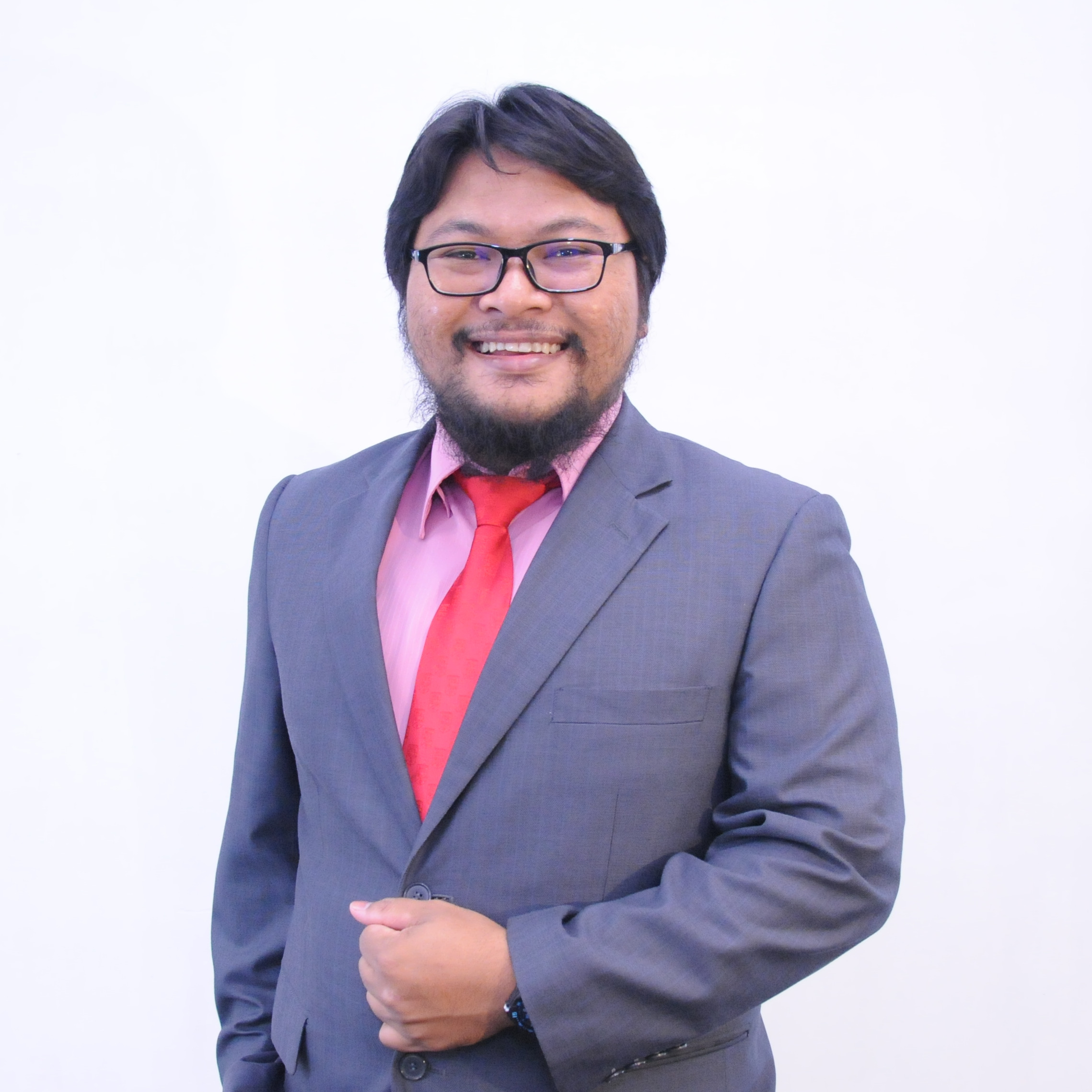
Prof. Ir. Dr. Hassimi Abu Hasan
Universiti Kebangsaan Malaysia, Malaysia
Bio: Assoc. Prof. Ir. Dr. Hassimi Abu Hasan is the Head of the Centre for Sustainable Process Technology (CESPRO) at the Faculty of Engineering and Built Environment, Universiti Kebangsaan Malaysia (UKM). He is a leading figure in the development of innovative and cost-effective methods for water and wastewater treatment and resource recovery. His research focuses on technologies such as coagulation/flocculation, phytoremediation, phycoremediation, and biofiltration. Dr. Hassimi currently serves as the Vice Chair of the Environmental Engineering Education (E3) Specialized Group under the International Water Association (IWA). From 2019 to 2023, he represented South Asia as a Young Water Professional (YWP) for the IWA’s Small Water and Wastewater Systems (SWWS) Specialized Group. He is an Editorial Board Member for several prestigious journals, including the Journal of Water Process Engineering (Elsevier, Top 10%), Water (MDPI), and others. His outstanding contributions to research have earned him recognition as one of the World’s Top 2% Scientists by Elsevier BV and Stanford University for three consecutive years (2022, 2023, and 2024). His accolades include the National Young Engineering Icon Award 2024 from the Board of Engineers Malaysia (BEM), the UKM Young Excellent Academician Award 2019, the UKM Young Researcher Excellence Award 2017, the Top Reviewer Award 2017 by Bioresource Technology, and the Malaysian Toray Science Foundation Award 2015. Dr. Hassimi is the principal investigator for 20 research projects and a co-investigator for over 40 projects in water and wastewater process engineering. He has also participated in more than 10 consultancy projects under UKM Pakarunding Sdn. Bhd. His prolific academic contributions include over 200 scientific articles, 8 books, 10 book chapters, and numerous popular science articles in Berita Harian, Utusan Malaysia, and Dewan Kosmik. He has collaborated with international partners from the United Kingdom, China, India, Thailand, Indonesia, and Iraq.